
Understanding Biodegradable PET Bottles: A Guide for Eco-Conscious Consumers
As our planet faces increasing environmental challenges, many consumers are looking for sustainable alternatives to traditional plastic products. One exciting option on the market today is biodegradable PET bottles. In this guide, we’ll dive into what these bottles are, how they are made, and why they matter for eco-conscious consumers like you.
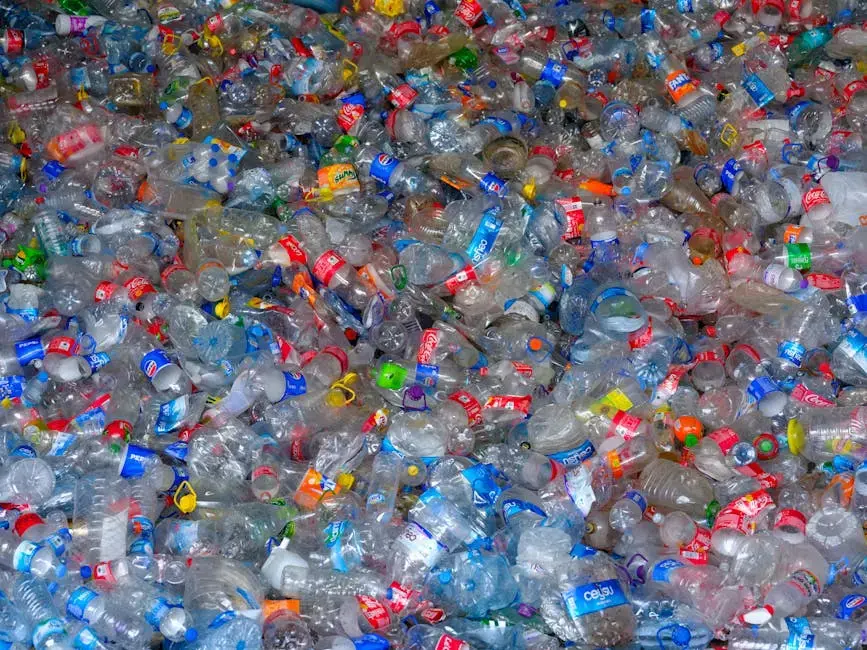
What are Biodegradable PET Bottles?
Biodegradable PET bottles are made from polyethylene terephthalate that has been modified to break down more quickly in the environment compared to traditional PET. This advancement is not only a solution to plastic pollution but also offers an innovative approach to plastic production. Traditional bottles can take hundreds of years to decompose, leaving lasting impacts on our ecosystems.
The development of biodegradable PET incorporates additive materials that facilitate decomposition when exposed to natural elements. This means they won't persist in our environment for as long, reducing the burden on landfills and oceans. It's essential for consumers to understand that not all plastics labeled as 'biodegradable' perform equally; knowing the specifics of biodegradable PET can help you make informed choices.
In essence, these bottles combine convenience and sustainability. They maintain the same use and strength as regular PET bottles but are engineered to minimize their environmental footprint. This blend of practicality and eco-friendliness is what makes biodegradable PET a commendable choice for environmentally conscious consumers.
The Process of Making Biodegradable PET
Understanding the production process of biodegradable PET is essential for knowing what we are putting into our environment. Traditional PET production involves petroleum-based feedstocks, but biodegradable PET uses different processes that incorporate natural additives. These additives help break down the molecular structure of the plastic under specific conditions, enabling it to decompose.
Manufacturers utilize various methods to mix these additives into the PET during the polymerization process. The inclusion of these biodegradable elements doesn’t compromise the core characteristics of the bottle; in fact, they often maintain clarity, strength, and flexibility similar to standard PET. Learning about this process provides insight into how technology is evolving to create more sustainable products.
Moreover, production involves energy-efficient techniques aimed at reducing greenhouse gas emissions, which is an integral part of making biodegradable PET a favorable option compared to conventional plastics. This level of innovation reflects the growing necessity for sustainable practices in manufacturing that benefit both the industry and the planet.
Benefits of Using Biodegradable PET Bottles
There are numerous benefits to using biodegradable PET bottles, both for the environment and for consumers. For starters, they significantly reduce the amount of plastic waste that ends up in landfills and oceans, which is critical as marine plastic pollution becomes a growing concern.
Beyond waste reduction, biodegradable PET bottles often require less energy to manufacture, translating into a smaller carbon footprint. This benefit can lead to lower overall environmental impact since every stage of the lifecycle—from production to disposal—contributes to sustainability efforts.
Consumers also enjoy the peace of mind that comes with choosing products designed to be kinder to our Earth. The positive social perception of biodegradable products encourages more companies to adopt eco-friendly practices, creating a ripple effect in the marketplace that advocates for greener choices.
Simply put, the benefits do not just stop at environmental impacts; they extend to enhancing individual consumer responsibility and promoting a more sustainable culture that resonates across communities.
How to Identify Genuine Biodegradable PET Bottles
With the rise in popularity of biodegradable products, it's important to know how to identify genuine biodegradable PET bottles from imitations. This discernment helps you ensure that your choices positively impact the environment. Look for certifications from recognized organizations that verify the biodegradability of products, such as ASTM D6400 or EN 13432.
Labeling is another crucial factor. Genuine biodegradable PET bottles will often include specific markings that indicate their environmentally friendly properties. Familiarize yourself with these symbols to empower your purchasing decisions. Understanding the difference between biodegradable, compostable, and recyclable is equally essential. Each term represents a different process and timeframe for degradation.
Additionally, supporting brands that are transparent about their manufacturing processes can enhance the likelihood of choosing authentic biodegradable materials. Researching companies and their commitment to sustainability can guide consumers toward making better-informed decisions.
Challenges and Limitations of Biodegradable PET
While biodegradable PET bottles offer a promising alternative, there are also challenges and limitations that consumers should be aware of. One common misconception is that these products can be discarded in any environment and will decompose immediately; in reality, they require specific conditions to break down effectively.
To decompose properly, biodegradable PET often needs to be exposed to heat, moisture, and microorganisms found in composting facilities. Unfortunately, many biodegradable items end up in landfills, where those optimal conditions are absent, leading to minimal breakdown. Understanding this limitation is vital for consumers wishing to make environmentally responsible choices.
Furthermore, some biodegradable plastics can still contribute to microplastic pollution if not disposed of correctly. This potential risk emphasizes the need for education on proper disposal methods and consumer habits aimed at supporting sustainable waste management.
The Future of Biodegradable Plastics
As technology continues to advance, the future of biodegradable plastics looks bright. Innovations in materials science are leading to the development of even more efficient biodegradable alternatives. Ongoing research focuses on enhancing the degradation rates of existing biodegradable PET while minimizing environmental impact during production.
Consumer demand for sustainable products is driving companies to invest in the development of cutting-edge biodegradable materials. This trend could lead to more types of biodegradable products entering the market, making sustainable living even more accessible for everyone.
As more consumers become aware of their plastic use and actively seek sustainable options, the entire industry is likely to evolve. Expect to see an increase in collaborations between brands, manufacturers, and environmental organizations as they work together to create a more eco-friendly landscape.
The shift towards biodegradable plastics is not just a trend—it reflects a fundamental change in how we approach our consumption. The hope for a cleaner, healthier planet rests on our collective actions today. By staying informed and making conscientious choices, each of us can contribute to a greener tomorrow.
Taking Action Towards Sustainability
By choosing biodegradable PET bottles, you’re making a positive impact on the environment and contributing to a more sustainable future. As you continue your journey toward eco-conscious living, remember that every small choice adds up. Let’s work together to reduce our reliance on single-use plastics and embrace more sustainable alternatives.


Comments