
How Are Branded Water Bottles Made?
- Site Admin
- May 12
- 3 min read
In the world of hydration, branded water bottles have become more than just a practical accessory; they are a statement. But have you ever wondered how these bottles are actually made? In this blog, we'll take you through the fascinating process of creating branded water bottles, from design to production.
Step 1: Designing the Bottle
The journey begins with brainstorming and sketching designs that reflect the brand's identity. This is where functionality meets creativity, ensuring that the bottle is both stylish and practical.
Designers often collaborate with marketing teams to ensure the bottle resonates with the target audience. They think about color schemes, shapes, and features that will stand out on the shelves.
It's essential for the design not only to be aesthetic but also to incorporate usability. Think about how easy it is to hold, pour, and clean. Every decision at this stage will influence the final product.
Technology plays a role too; 3D modeling software allows designers to visualize their concepts before moving on to production. This step ensures precision, as even a small error can impact the bottle's functionality.
Step 2: Selecting Materials
Next, manufacturers choose suitable materials like BPA-free plastic or stainless steel. Sustainability is key here, as many brands commit to environmentally friendly options.
Brands consider the benefits and drawbacks of each material. For instance, stainless steel is durable and long-lasting, while plastic is lightweight and often more cost-effective.
Recycled materials are also gaining traction. Some brands are embracing the challenge to create bottles that not only look good but also lessen environmental impact.
Ultimately, the choice of materials reflects the brand's values. By doing so, they communicate to consumers that they care about quality and sustainability.
Step 3: Molding and Production
Once the design and materials are finalized, the production process begins. This involves molding the chosen materials into the desired bottle shape using specialized machines.
This stage is fascinating as it employs advanced technology to produce bottles at scale. Injection molding and blow molding are common techniques that ensure each bottle is consistent in quality.
Once molded, the bottles are cooled and inspected before moving on to the next phase of production. This ensures that any defects are caught early, saving time and resources.
Collaborative efforts between engineers and manufacturers streamline this process. The back-and-forth communication assures that everything from temperature to pressure is just right.
Step 4: Printing and Branding
After molding, branding comes into play. This step includes printing the logo and any other designs on the bottle, ensuring they are vibrant and long-lasting.
Various printing techniques are utilized, from screen printing to digital printing, each offering unique benefits. The method chosen often depends on the materials used and the desired design intricacy.
The branding process is crucial; it’s what makes the bottle recognizable. Clear, appealing designs can attract customers, reinforcing the brand's message.
Quality in printing is paramount. Any inconsistency can lead to a negative perception, so strict quality control measures are in place during this phase.
Step 5: Quality Control
Quality control is critical. Each bottle undergoes rigorous testing for defects and ensures it meets safety standards before it hits the market.
This step involves visual inspections, dimensional checks, and sometimes even pressure tests to ensure the bottles are safe for consumers. Any discrepancies can lead to recalls, which brands strive to avoid.
Specific testing methods vary depending on the type of bottle. For instance, insulated bottles may require more extensive thermal testing to ensure they perform as advertised.
Ultimately, a commitment to quality at this stage reflects the brand's dedication to consumer safety and satisfaction.
Step 6: Packaging and Distribution
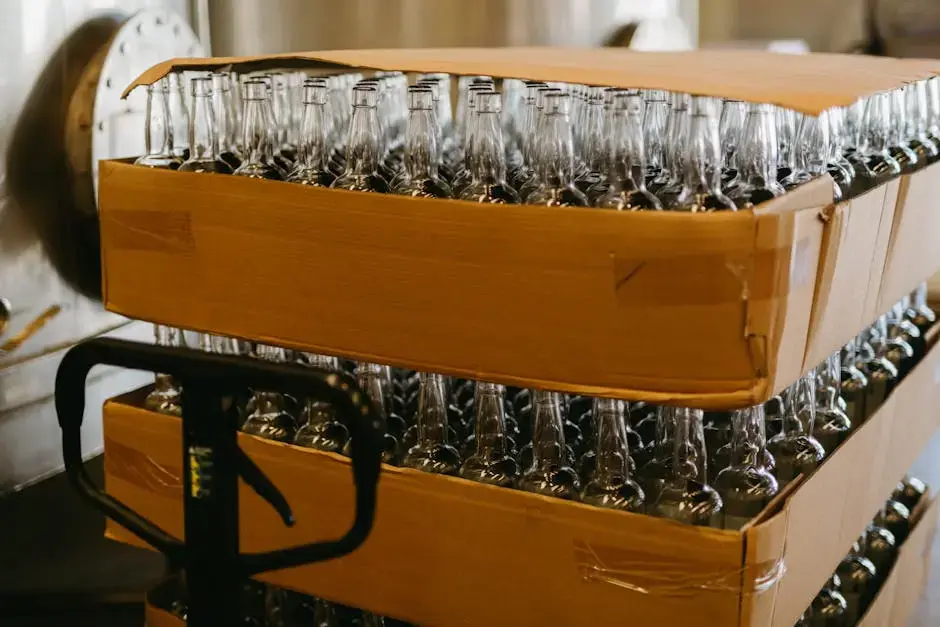
Finally, the bottles are carefully packaged and shipped to retailers, ready to quench the thirst of consumers while promoting their brand.
Packaging is an art in itself, designed to protect the bottles while also being visually appealing. Sustainable packaging options are leading in popularity as brands aim to reduce their carbon footprint.
Once packaged, they are distributed worldwide. Logistics play a significant role here; brands must ensure that their products are stored and transported under the right conditions to maintain quality.
When you finally see your water bottle on the shelf, it’s the culmination of creative effort, skilled craftsmanship, and strategic planning coming together into a product that tells a story of hydration.
The Journey of Your Favorite Water Bottle
Understanding the processes behind branded water bottles not only enhances our appreciation for them but also gives insight into the importance of sustainable practices. Next time you sip from your favorite bottle, you'll know the journey it took to reach your hands.


Comments